At a glance the quick version
Wingspan about 20-25 cm.
General domestic canary figure; no variety-specific figure found.
Looks how to spot one
feathers
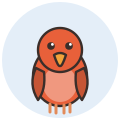
A standard-shaped canary whose feathers carry red pigment inherited from the red siskin. The final shade depends on genetics and diet, ranging from apricot and copper to deep orange-red. Feather texture can be glossy (intensive) or tipped with a pale frosting.32
Personality what they are like
A bright, busy little finch that prefers to be admired from outside the cage rather than handled. Males sing pleasantly, and the birds are generally calm companions for a quiet home.31
Daily activity how busy a day looks
Needs a wide cage or flight with space to fly between perches.1
Grooming and care the hands-on bits
Provide bathing water, keep the cage clean and trim nails when needed. To keep the rich red colour, offer colour food containing carotenoids, most importantly during the yearly moult, when new feathers grow in.12
Home where they are happiest
A roomy, wide cage or aviary flight with perches at different heights, kept out of draughts.1
Food basics what goes in the bowl
Standard canary seed mix plus fresh greens and vegetables. Carotenoid-rich foods (carrot, kale) or a commercial red-factor colour food, often containing canthaxanthin, help hold the red tone; without them, new feathers grow in a paler yellow-orange.231
Company who they like around
Fine as a single bird or kept with other canaries in a spacious flight.1
The story where it all began
German researcher Hans Duncker, working with Karl Reich in the 1920s, crossed domestic canaries with the red siskin to bring true red genes into the canary. Many generations of back-crossing to canaries followed, so today's red canaries carry very little siskin ancestry but keep its warm colour.123
Fun facts for the dinner table
- 1
It was one of the earliest planned efforts to move a colour gene from one bird species into another by hybrid breeding.3
- 2
Before red canaries existed, breeders tinted birds orange by adding cayenne pepper to their food during the moult.1
- 3
Its colour is partly on the menu: the birds need carotenoid pigments in their food to show their deepest red.2
- 4
The red gene came from the red siskin, a small finch from northern South America.1
Recognised by the official bits
- Colour canary fancy
- A colour-bred canary, grouped with the colour canaries rather than the song or type breeds; shown in red-ground colour classes.1
The care rhythm Furry Diary remembers it for you
A typical home-care rhythm for a Red Factor Canary. It is our own starting plan, not a vet's advice, and you can change every line in the app.
- Fresh food and waterevery day
- Cage linerevery 2 days
- Full cleanevery week
- Bath offerA shallow dish or gentle mistevery 3 days
- Nails checkevery month
- Toy rotationevery 2 weeks
- Out-of-cage timeAbout an hour a day, if tameevery day
- Vet check-upevery year
You might also like
 Canary
 Spanish Timbrado Canary
Like what we are building? Buy us a coffee.
The breed atlas is free for everyone, with a source on every fact, and it will never show ads. If it helped you, a small tip keeps the research going. Any amount is lovely, and no is a perfectly fine answer too.
Where this comes from
Every breed page shows where each fact comes from. If we got something wrong, sorry, we are pet people, not a science magazine. Tell us at support@furrydiary.app and we will fix it.
- Domestic canary - Wikipedia en.wikipedia.orgused for history (Duncker and Reich, 1920s), cayenne fact, lifespan, diet, care
- What you need to know about Red Factor Canaries - Aviculture Hub aviculturehub.com.auused for history, colour feeding, frosting
- Red Factor Canary - Earthlife earthlife.netused for size, weight, colour range, hybridisation fact
Checked 2026-09-30. Text is written in our own words from these sources.